

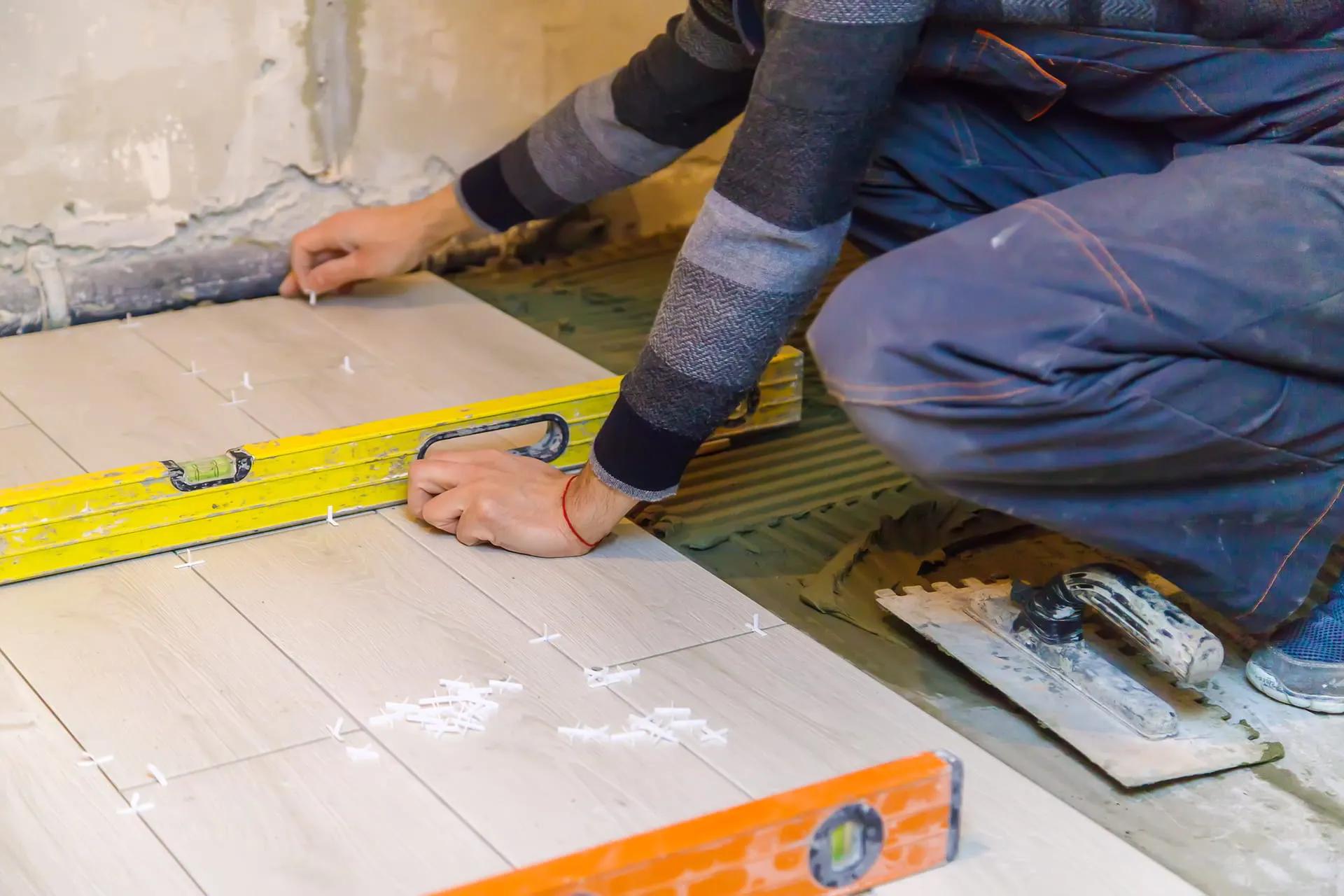
Uneven surfaces quietly influence how new floors behave once daily life resumes. Homeowners often focus on surface materials without realizing how much stability depends on what lies beneath. A flooring contractor recommends floor leveling because structural balance directly affects performance, comfort, and durability. This discussion explains how leveling supports installation accuracy and reduces long-term complications.
Family-owned and proudly serving Asheville and the surrounding areas, J & A Floors explains that “floor leveling helps materials rest evenly instead of fighting gravity every day, which prevents stress that homeowners never see until problems appear.”
Why Floor Leveling Matters
Experience shows that uneven subfloors rarely correct themselves over time. Small dips often worsen as foot traffic, furniture weight, and seasonal changes place pressure on weak areas. A flooring contractor recommends floor leveling after seeing how minor imperfections can lead to separation, movement, and surface fatigue. Real projects often reveal that preparation influences outcomes more than material choice.
Shallow dips increase under daily movement
Sloped sections create tension at seams
Uneven bases disrupt proper alignment
1. Prevent Uneven Surface Problems
Uneven floors rarely remain cosmetic concerns. Pressure builds at high points while low spots allow movement that weakens connections. A flooring contractor recommends floor leveling because consistent support keeps materials from flexing under stress. Balanced surfaces help floors maintain their intended shape.
Prevents rocking underfoot
Reduces hollow sounds during walking
Minimizes pressure concentration
2. Support Accurate Installation
Installation systems rely on surface consistency to function correctly. Floating floors require uniform contact while bonded materials depend on full adhesion. Level surfaces allow installers to follow manufacturer guidelines without forcing materials into place. Precision during installation starts with a stable foundation.
Adhesives spread evenly
Locking systems align naturally
Curing occurs without shifting
3. Reduce Long-Term Damage
Structural stress often shows itself slowly. Cracks, lifted edges, and shifting seams usually trace back to uneven support beneath finished floors. Uneven surfaces create repeated tension that materials cannot absorb indefinitely. Floor leveling reduces that ongoing strain.
Limits joint fatigue
Prevents localized wear
Reduces early separation
4. Improve Overall Stability
Stability affects how floors feel and perform each day. Balanced subfloors distribute weight evenly across the surface rather than forcing materials to bend. Solid footing creates consistency that homeowners notice through reduced movement and sound. Stability often defines long-term comfort.
Furniture weight spreads evenly
Walking pressure stays consistent
Floor flex decreases
5. Protect Manufacturer Coverage
Many flooring products include specific flatness tolerances that must be met before installation. Federal housing guidance and manufacturer documentation commonly reference allowable variance limits across measured distances. Skipping leveling may place warranty coverage at risk. Preparation helps preserve manufacturer expectations.
Flatness standards remain documented
Installation conditions meet requirements
Coverage disputes become less likely
6. Improve Finished Appearance
Visual flaws often stem from uneven foundations rather than poor materials. Raised edges, shadow lines, and misaligned seams become noticeable under lighting. Smooth surfaces allow flooring to settle evenly and maintain clean lines. Appearance benefits from consistency below.
Reduces visible lippage
Improves seam alignment
Creates uniform transitions
7. Extend Floor Longevity
Longevity depends on stress reduction. Materials installed over uneven areas experience constant pressure that accelerates wear. Leveling allows floors to age gradually instead of failing in isolated sections. Even support promotes predictable performance over time.
Wear patterns remain balanced
Seams resist early failure
Structural fatigue decreases
How Proper Preparation Shapes Results
Many flooring problems originate beneath the visible surface. Federal housing studies, including guidance from the U.S. Department of Housing and Urban Development, emphasize the importance of subfloor condition in residential durability. When preparation receives proper attention, floors behave as intended across daily use cycles. Thoughtful groundwork limits surprises later.
J & A Floors often notes that “leveling creates consistency across the entire space, which helps flooring respond evenly to temperature changes and everyday movement.”
Preparation controls movement
Stability supports durability
Flatness promotes predictable behavior
Flooring Contractor Floor Leveling Key Takeaways
Floor leveling supports stability, appearance, and lifespan by addressing structural concerns before installation begins. Balanced surfaces protect materials from unnecessary stress and help installations perform consistently over time. This prevents costly flooring installation mistakes later on. Homeowners benefit most when preparation receives the same attention as visible finishes.
Level surfaces reduce long-term damage
Proper preparation supports installation accuracy
Flatness protects manufacturer requirements
Stability improves daily comfort
Longevity increases through stress reduction