

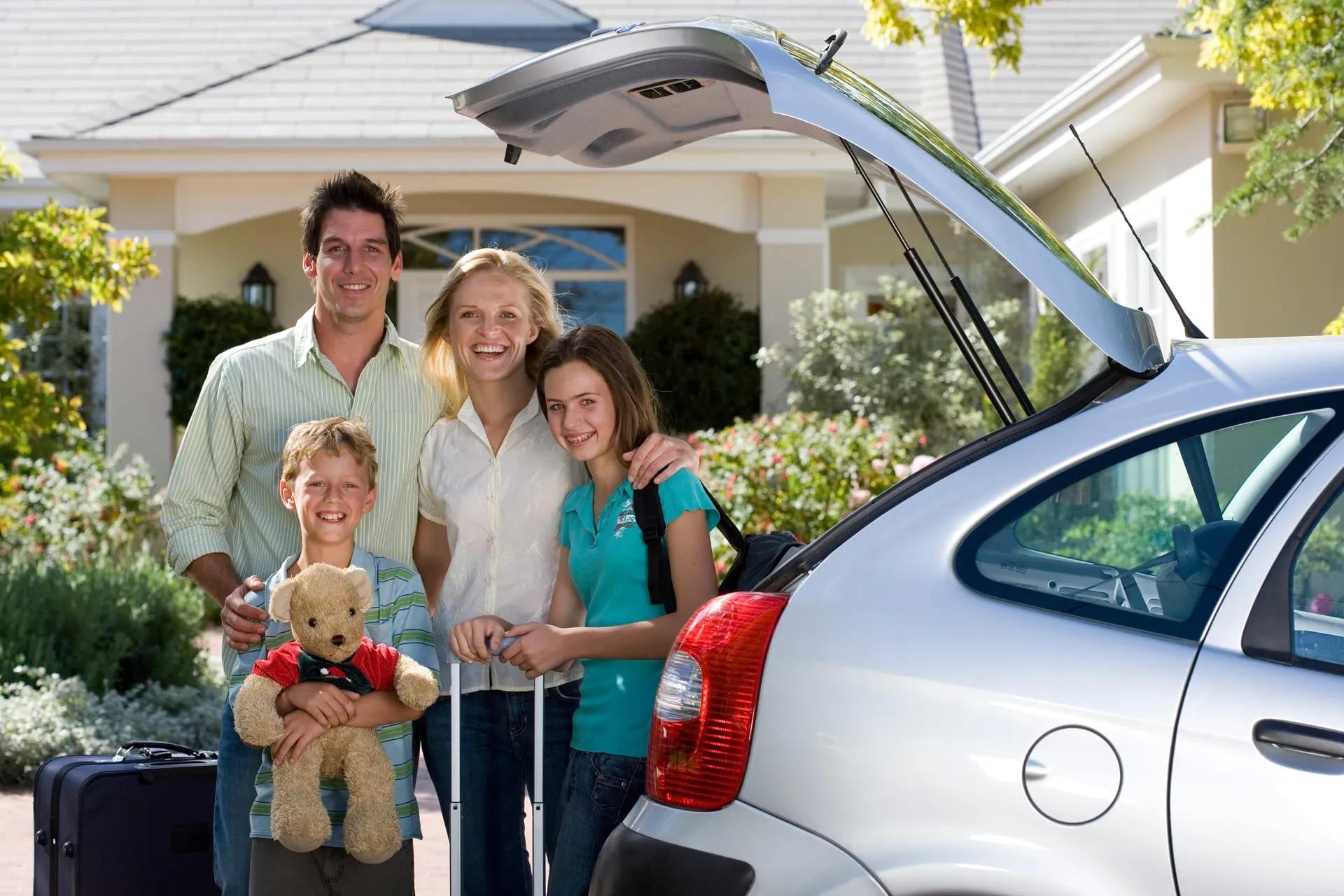
Bundling homeowners and auto insurance
Homeownership reshapes personal finances in subtle but meaningful ways, and auto insurance liability is one area where those changes quietly show up. Liability on a car insurance policy often evolves once property ownership becomes part of the picture because assets expand, legal exposure widens, and long-term responsibility grows heavier. How homeownership influences liability on your car insurance policy becomes easier to understand when asset protection and risk management are viewed together. Southern Ambit Insurance shares practical insight, explaining, “Buying a home usually means it’s time to reassess auto liability coverage since more personal value is on the line if an accident turns severe.”
How Homeownership Alters Auto Liability
Homeownership alters liability on a car insurance policy by increasing what could be affected after a serious accident. Insurance carriers recognize that property owners often face greater financial exposure if injuries or major damages occur. Imagine a homeowner involved in a collision where medical bills climb well beyond basic coverage and legal action follows shortly after. Experience shows many homeowners review liability limits only after closing on a house, sometimes later than recommended.
Property ownership raises financial exposure
Auto liability limits often need adjustment
Legal responsibility becomes broader
1. Homeownership Liability Risk
Homeownership signals to insurers that a driver holds valuable assets that may factor into a liability claim. Research from the Insurance Information Institute indicates that bodily injury claims frequently exceed state minimum limits, especially when accidents involve lasting injuries. Auto liability coverage helps manage those costs, though lower limits may no longer feel appropriate once a home is owned. Risk assessments change when real property enters the equation.
Asset ownership affects insurer evaluations
Severe accidents lead to higher claims
Minimum limits may no longer suffice
2. Property Ownership Assets
Owning property introduces another layer of financial consideration into car insurance liability planning. Data from the U.S. Department of Justice shows that personal injury lawsuits often pursue compensation beyond insurance coverage alone. Homes, savings, and investments may be examined during legal proceedings after serious crashes. Liability coverage becomes a key tool for protecting what has been built over time.
Homes represent long-term financial commitment
Assets influence legal strategies
Coverage helps guard personal property
3. Higher Liability Limits
Homeowners often choose higher liability limits to better reflect their overall financial position. The National Highway Traffic Safety Administration reports that medical expenses tied to auto accidents continue rising year after year. Increased limits help address those costs before personal assets are exposed. Coverage that once felt adequate may no longer provide the same level of security.
Medical costs continue climbing
Higher limits reduce personal risk
Coverage should align with asset growth
4. Lawsuit Exposure Concerns
Lawsuit exposure becomes more pronounced once homeownership enters the financial picture. Findings from the Bureau of Justice Statistics show that injury-related liability claims can extend over long periods. Homeowners may face prolonged legal stress if coverage limits fall short of actual damages. Strong liability protection offers steadiness during extended disputes.
Legal cases may last for years
Property ownership draws closer scrutiny
Liability limits provide stability
5. Umbrella Policy Connections
Umbrella policies often connect homeowners and auto liability coverage into a broader layer of protection. The Insurance Information Institute explains that umbrella coverage applies after primary limits are exhausted. Many homeowners explore this option to strengthen auto liability safeguards. Additional coverage helps manage rare but costly situations.
Umbrella coverage adds extra protection
Home and auto policies coordinate
Large claims become more manageable
6. Home Equity Considerations
Equity built within a home represents accumulated value, and that value matters during liability evaluations. Federal Reserve data shows household equity has grown steadily in recent years. Auto liability coverage can help defend that equity after a serious accident. Protection focuses on preserving long-term financial progress.
Equity reflects financial growth
Legal claims can threaten value
Liability limits help protect equity
7. Bundled Policy Adjustments
Bundling homeowners and auto insurance often leads to more unified liability planning. Insurers typically review overall risk when multiple policies are held together. Adjustments can clarify responsibilities across coverage types and reduce uncertainty. Coordinated planning supports consistent protection.
Risk reviewed as a whole
Coverage gaps become easier to identify
Liability planning stays aligned
8. Household Driver Risks
Households with multiple drivers introduce additional liability considerations once a home is owned. Teen drivers, visiting relatives, or shared vehicles raise exposure. The Centers for Disease Control and Prevention report higher crash rates among younger drivers. Liability coverage should reflect how vehicles are used within the household.
Multiple drivers increase exposure
Younger drivers raise claim likelihood
Coverage should match usage patterns
9. Location Based Liability Factors
Location influences how homeownership affects auto liability planning. Traffic density, driving habits, and accident frequency vary widely by area. Federal Highway Administration data shows significant regional differences in accident severity. Liability planning often considers surroundings alongside ownership.
Traffic conditions affect risk
Accident rates differ by region
Coverage adapts to environment
10. Insurance Review Triggers
Homeownership often prompts broader insurance reviews beyond property coverage alone. Life changes such as buying a home signal the need to reassess auto liability. Regular reviews help coverage keep pace with growing assets and responsibilities. Alignment supports long-term financial steadiness.
Home purchases signal financial change
Reviews uncover coverage gaps
Liability coverage evolves over time
Understanding Liability Planning for Homeowners
Homeownership influences liability on a car insurance policy in ways that reach beyond driving habits or vehicle type. Asset protection, legal exposure, and financial growth all shape how coverage should be structured. Southern Ambit Insurance emphasizes maintaining balance between protection and practicality as homeowners build equity and responsibility. Careful planning supports confidence when unexpected events arise.
Key Takeaways on How Homeownership Influences Liability on Your Car Insurance Policy
Homeownership increases financial exposure after accidents
Higher liability limits often fit property owners better
Umbrella policies add broader protection
Equity and household drivers shape coverage needs
Regular reviews help maintain balance