

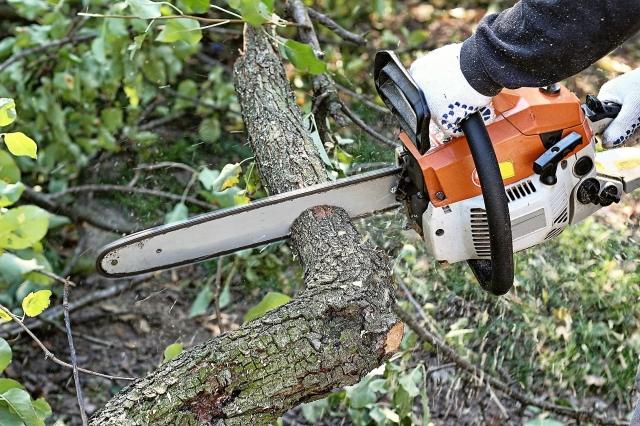
Tree removal may seem straightforward, grab a chainsaw, make a few cuts, and the job's done. However, this task is far more complex and hazardous than it appears. Attempting tree removal without professional expertise can lead to severe injuries, property damage, and legal issues. Precision Arborcare emphasizes, "Tree removal involves understanding tree biology, physics, and safety protocols, it's not just about cutting wood."
Why Tree Removal Requires Professional Expertise
Homeowners often underestimate the complexities involved in tree removal. For instance, a client once attempted to remove a seemingly small tree, only to have it fall onto their garage, causing significant damage. Such incidents highlight the importance of professional assessment and execution in tree removal tasks.
Tree removal is among the most hazardous occupations, with numerous annual fatalities reported by OSHA.
Improper techniques can result in trees falling unpredictably, endangering lives and property.
Professionals are trained to handle various scenarios, ensuring safety and efficiency.
1. Safety Hazards in Tree Removal
Tree removal involves working at heights, handling heavy equipment, and dealing with unpredictable tree behavior. Without proper training and equipment, individuals risk serious injuries or fatalities.
Falls from trees or ladders are common among untrained individuals.
Chainsaw accidents can lead to severe injuries or amputations.
Electrocution risks exist when trees are near power lines.
2. Risks of Removing Large Trees
Large trees have extensive root systems and significant weight, making their removal complex. Misjudging the tree's center of gravity or structural integrity can result in disastrous outcomes.
Improper cuts can cause the tree to fall in unintended directions.
Hidden decay or disease can compromise the tree's stability.
Nearby structures or power lines increase the risk of damage.
3. Legal Requirements for Tree Removal
Many municipalities have regulations requiring permits for tree removal, especially for certain species or sizes. Failing to obtain the necessary permits can result in fines or legal action.
Protected tree species may not be removed without authorization.
Permit requirements vary by location and tree characteristics.
Unauthorized removal can lead to costly penalties.
4. Necessity of Specialized Equipment
Professional tree removal requires specialized equipment such as cranes, stump grinders, and safety harnesses. Homeowners typically lack access to this equipment, making DIY removal unsafe and inefficient.
Cranes are essential for safely removing large branches or entire trees.
Stump grinders effectively remove tree stumps without damaging the surrounding area.
Safety gear protects workers from potential hazards during removal.
5. Potential for Property Damage
Incorrectly removing a tree can result in significant property damage, including to homes, vehicles, and utility lines. Such damage may not be covered by insurance if caused by negligence.
Falling trees can crush structures or vehicles.
Branches may damage roofs, windows, or siding.
Underground utilities can be disrupted by root removal.
6. Impact on Surrounding Landscape
Trees play a crucial role in the ecosystem, and their removal can affect soil stability, water drainage, and the health of nearby plants. Professionals assess these factors to minimize negative impacts.
Tree roots help prevent soil erosion; their removal can destabilize the ground.
Changes in sunlight exposure can affect the growth of surrounding vegetation.
Altered water drainage patterns may lead to pooling or flooding.
7. Hidden Costs of DIY Tree Removal
While DIY tree removal may seem cost-effective, hidden expenses can accumulate quickly. These include equipment rental, disposal fees, and potential repair costs from damage or injury.
Renting specialized equipment can be expensive.
Disposing of tree debris may incur additional fees.
Medical bills from injuries can far exceed professional service costs.
Understanding the Importance of Professional Tree Removal
Tree removal is a complex task that requires expertise, specialized equipment, and adherence to safety and legal standards. Attempting to remove a tree without professional assistance can lead to severe consequences, both physically and financially. Precision Arborcare advises homeowners to consult with a professional tree service to ensure safe and effective tree removal.
Key Takeaways: Why Tree Removal Isn't a DIY Task
Tree removal involves significant safety risks that require professional training to manage.
Large trees present complex challenges that are best handled by experts.
Legal regulations may necessitate permits for tree removal.
Specialized equipment is essential for safe and efficient removal.
DIY removal can result in substantial property damage and hidden costs.
Removing trees affects the surrounding landscape and ecosystem.
Hiring professionals ensures compliance with safety and legal standards.
Frequently Asked Questions
1. Is it safe to remove a small tree myself? While small trees may seem manageable, they can still pose risks. It's advisable to consult with a professional to assess the situation.
2. Do I need a permit to remove a tree on my property? Permit requirements vary by location and tree characteristics. Check with your local municipality before proceeding.
3. What equipment do professionals use for tree removal? Professionals utilize cranes, stump grinders, chainsaws, and safety gear to ensure efficient and safe removal.
4. Can removing a tree affect my yard's ecosystem? Yes, tree removal can impact soil stability, water drainage, and the health of surrounding plants.