

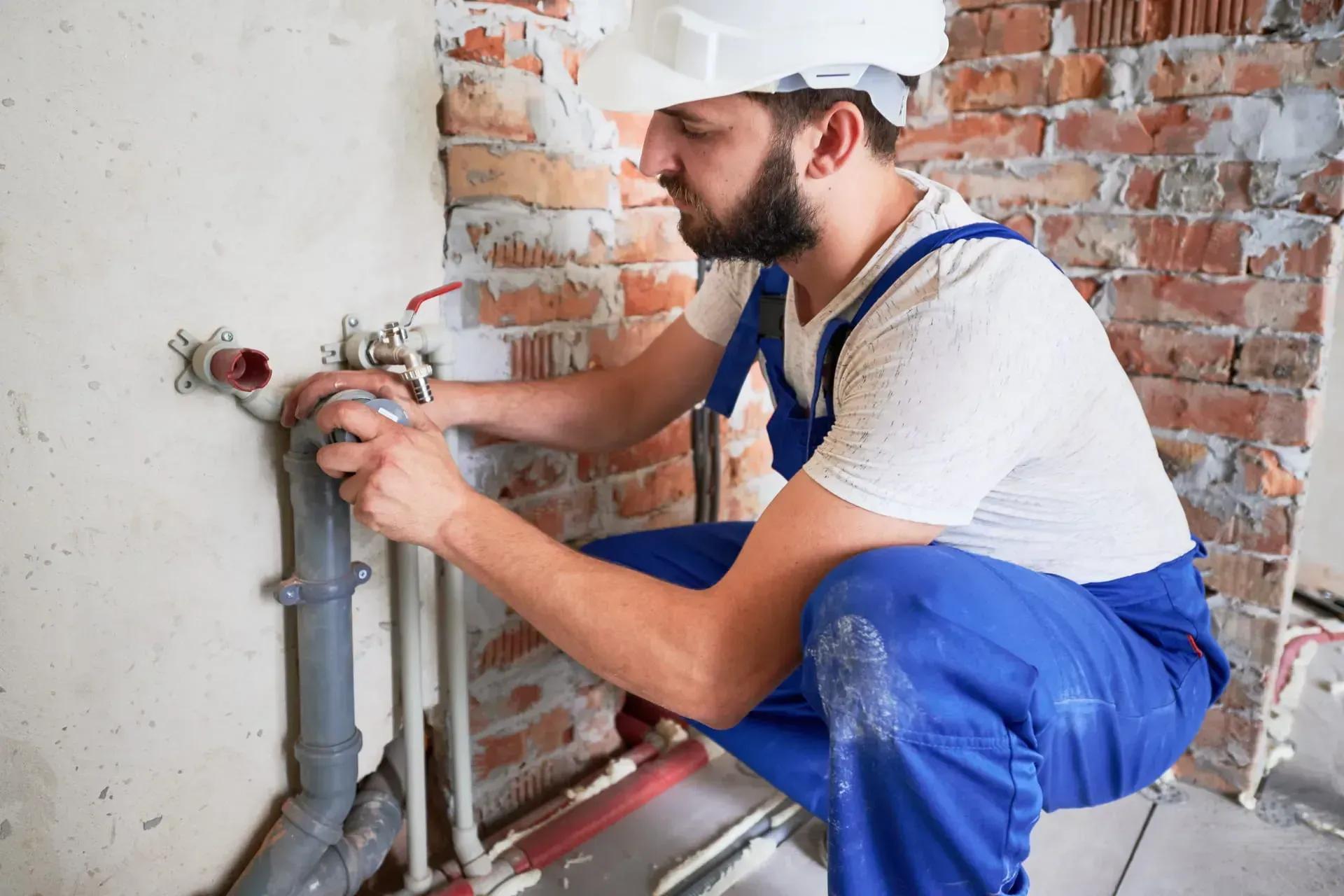
Plumber inspecting pipes
Plumbing systems are designed to run quietly, so noticeable sounds usually mean something inside the system is under strain. Homeowners tend to hear these noises late at night, early in the morning, or right after water use, and the repetition is rarely random. “Sounds coming from pipes or fixtures usually show up before visible damage,” explains DiMarco Plumbing, with Master Plumbers in Covington, LA noting that small noises often signal growing pressure or wear. This updated breakdown of plumbing noises that signal home system problems explains what each sound suggests and why paying attention early can prevent disruption.
Common Plumbing Noise Warning Signs
Unexpected plumbing sounds often catch homeowners off guard, a sharp bang, a piercing squeal, or a low gurgle that feels out of place. Experience shows these noises usually trace back to pressure changes, trapped air, or aging components hidden behind walls or beneath floors. A homeowner may brush off the first occurrence, then notice the same noise returning more frequently. Repetition like that usually signals stress building inside the system.
Repeating noises often indicate pressure imbalance
Enclosed pipes amplify vibration and sound
Early warning sounds tend to mean simpler fixes
1. Banging Pipes Sounds
Banging pipes sounds typically occur when water flow stops abruptly and pressure has nowhere to go. This sudden force sends shockwaves through the pipes, causing them to strike framing or nearby surfaces. The U.S. Department of Energy explains that repeated pressure surges increase strain on plumbing joints and fittings. Over time, that stress can loosen connections and shorten pipe life.
Quick valve closures cause pressure spikes
Unsecured pipes magnify impact noise
Ongoing hammering weakens connections
2. Whistling Faucet Noise
Whistling faucet noise often appears when water squeezes through worn or partially blocked valves. Elevated pressure forces water through tight openings, producing a sharp, high-pitched sound that grows louder with use. The Environmental Protection Agency reports that excess household water pressure accelerates fixture wear and internal damage. That whistle is often a sign the system is working harder than it should.
Aging washers restrict water flow
Pressure regulators may be drifting out of range
Noise intensity increases during heavy use
3. Gurgling Drain Sounds
Gurgling drain sounds usually occur when air becomes trapped inside the drainage system. Properly vented plumbing allows air to move freely, but clogs or vent obstructions disrupt that balance. The International Association of Plumbing and Mechanical Officials notes that poor venting contributes to slow drainage and sewer gas concerns. That bubbling noise often signals airflow struggling to escape.
Blocked vents trap air inside pipes
Partial clogs disturb normal drainage
Sounds often follow flushing or draining
4. Rattling Pipe Noise
Rattling pipe noise tends to sound like shaking or vibration behind walls when water is running. Pipes expand slightly as pressure fluctuates, and loose mounting allows movement during flow changes. Over time, repeated motion can wear against wood or metal supports. Small rattles often signal mounting issues that worsen if ignored.
Loose straps allow pipe movement
Pressure shifts increase vibration
Constant rubbing wears pipe surfaces
5. Humming Water Lines
Humming water lines produce a steady vibration sound while fixtures remain active. This noise usually traces back to pressure regulators, shutoff valves, or partially closed supply valves resisting flow. The American Water Works Association notes that pressure outside recommended ranges increases system stress and noise. A persistent hum often points to resistance somewhere in the line.
Misaligned pressure regulators cause vibration
Valves resonate under restricted flow
Sound stops when water shuts off
6. Ticking Pipe Sounds
Ticking pipe sounds commonly appear after hot water use as pipes cool and contract. Expansion and contraction are normal, but loud or frequent ticking suggests pipes are rubbing against framing or brackets. Continued friction can damage insulation or pipe surfaces over time. What starts as an occasional sound can become a routine disturbance.
Temperature changes drive expansion
Tight framing increases friction noise
Repeated contact wears materials
7. Screeching Toilet Noise
Screeching toilet noise usually happens while the tank refills and often points to worn internal parts. Fill valves and rubber washers degrade with age, narrowing water passages and creating sharp sounds. The EPA estimates that aging toilet components contribute significantly to indoor water waste. That screech often signals declining efficiency and upcoming failure.
Worn fill valves restrict refill flow
Hardened washers create high-pitched noise
Sound often worsens before breakdown
Why Plumbing Noises Should Never Be Ignored
Plumbing noises rarely disappear on their own and usually reflect pressure imbalance, airflow restriction, or mechanical wear within the system. Each noise discussed earlier represents a different form of stress acting on pipes, valves, or fixtures. Over time, these stresses accumulate, increasing the risk of leaks, inefficient water use, sewer line backups, and hidden structural damage. Addressing plumbing noises that signal home system problems early helps preserve system performance and reduce long-term repair risk.
Early sounds often mean minor corrections
Persistent noise increases failure chances
Hidden damage grows without warning
Key Takeaways Plumbing Noises Homeowners Should Know
Banging often signals sudden pressure shock
Whistling commonly points to valve wear
Gurgling usually indicates vent or drain issues
Rattling and humming reflect loose or restricted lines
Screeching toilets suggest failing internal parts