

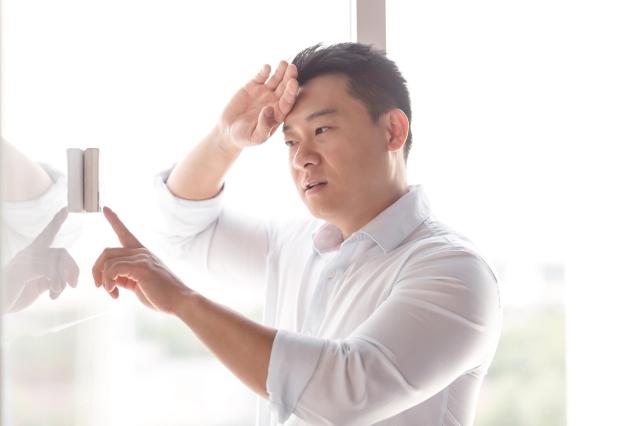
Air conditioning systems often remain operational even as cooling strength slowly weakens with continued use. Comfort shifts in subtle ways, monthly energy costs increase, and indoor temperatures feel less even, leaving many homeowners unsure what caused the change. A variation of this topic explains why air conditioners lose cooling power as systems age and internal balance drifts. Tropical Air Kare in Slidell, LA shares that cooling loss usually develops from several small issues layering together rather than one sudden malfunction.
-
Cooling decline often unfolds gradually
-
Minor concerns tend to build unnoticed
-
Early warning signs are easy to overlook
Why Cooling Power Declines
Technicians frequently encounter systems that run for long periods yet struggle to hold consistent temperatures. Homeowners may notice extended run cycles, softer airflow from vents, or noticeable temperature differences between rooms. Field experience shows these patterns usually reflect gradual wear instead of abrupt system failure. Early awareness helps reduce extra strain on core components.
-
Extended operating cycles
-
Uneven temperature control
-
Increasing mechanical stress
1. Aging System Components
Mechanical parts naturally degrade after years of repeated cooling cycles. Motors, fans, and compressors lose precision as internal clearances widen and resistance increases. The U.S. Department of Energy explains that aging components reduce overall system output even when equipment continues to operate. Cooling capacity often weakens long before complete failure becomes visible.
-
Worn motors reduce airflow force
-
Aging compressors limit heat removal
-
Added friction raises internal strain
2. Restricted Airflow Issues
Air conditioners rely on steady airflow to carry heat away from indoor spaces. Dirty filters, blocked vents, or compromised ductwork interrupt that process. The Department of Energy identifies restricted airflow as a major contributor to reduced cooling performance. Cooling output declines when air movement slows.
-
Dust-filled filters restrict airflow
-
Obstructed vents reduce distribution
-
Damaged ducts increase pressure buildup
3. Low Refrigerant Levels
Refrigerant absorbs indoor heat and transfers it outside, making correct levels critical. Small leaks allow refrigerant to escape gradually, weakening heat transfer over time. The Environmental Protection Agency explains that low refrigerant reduces cooling capacity while forcing systems to operate under heavier load. Cooling loss continues until leaks are properly repaired.
-
Reduced heat absorption
-
Longer cooling cycles
-
Increased component workload
4. Dirty Evaporator Coils
Evaporator coils remove heat from indoor air, yet debris buildup acts as insulation along coil surfaces. Heat transfer drops as dirt accumulates. The Environmental Protection Agency lists dirty coils as a common source of declining cooling output. Performance decreases even when other components remain functional.
-
Limited heat exchange
-
Lower moisture removal
-
Extended run times
5. Inaccurate Thermostat Control
Thermostats manage cooling cycles through temperature readings that must stay accurate. Aging sensors or calibration drift can cause misleading signals. The Department of Energy notes that inaccurate controls often result in short cycling or delayed cooling response. Comfort suffers when commands no longer reflect actual indoor conditions.
-
Incorrect temperature readings
-
Irregular cooling patterns
-
Reduced comfort consistency
6. Improper System Sizing
Air conditioners that are improperly sized struggle from early operation onward. Units that are too small run continuously without reaching target temperatures. Department of Energy guidance shows undersized systems lose cooling power faster due to constant workload demands. Persistent strain accelerates wear.
-
Continuous operation periods
-
Incomplete cooling cycles
-
Faster component fatigue
7. Deferred Maintenance Effects
Routine service addresses small concerns before they grow into larger performance losses. Skipped maintenance allows dirt buildup, loose connections, and worn parts to accumulate. The Department of Energy estimates regular service helps preserve cooling output and slow long-term decline. Neglect shortens effective system lifespan.
-
Small issues compound
-
Hidden wear remains unnoticed
-
Cooling strength steadily declines
Cooling Performance Over Time
Cooling output depends on how all system elements work together during daily use. When several issues occur simultaneously, performance decline accelerates. Tropical Air Kare advises that tracking early symptoms often prevents deeper system fatigue. Minor adjustments help sustain comfort longer.
-
Interacting system conditions
-
Accelerated performance loss
-
Early care slows wear
System Stress and Comfort Loss
Reduced cooling power affects more than temperature alone. Systems under strain draw more electricity and operate for longer cycles. The Department of Energy links declining performance to rising energy use over time. Comfort decreases as operating costs rise.
-
Longer run cycles
-
Increased energy demand
-
Uneven indoor comfort
Professional Insight Matters
Diagnosing cooling loss requires understanding how components influence one another. Experienced technicians recognize patterns homeowners may overlook. Tropical Air Kare notes that gradual cooling decline often remains hidden until peak heat exposes weaknesses. Knowledge limits guesswork.
-
Pattern recognition
-
Accurate system evaluation
-
Reduced trial-and-error repairs
Long Term System Health
Cooling systems perform best when maintained with consistent attention. Addressing airflow, refrigerant, and control accuracy together helps preserve output. Federal energy data shows maintained systems retain cooling capacity longer. Balance supports steady operation.
-
Balanced system performance
-
Reduced component strain
-
Longer effective lifespan
Why Cooling Loss Adds Up
Each factor that weakens cooling power increases stress on remaining components. Wear accelerates once system balance shifts. Tropical Air Kare explains that early A/C repair limits cascading failures. Consistency protects comfort.
-
Compounding system stress
-
Faster wear progression
-
Earlier performance decline
Key Reasons Air Conditioners Lose Cooling Power Key Takeaways
-
Aging components gradually weaken cooling output
-
Restricted airflow limits heat removal
-
Low refrigerant reduces cooling capacity
-
Dirty coils block heat exchange
-
Control issues disrupt cooling cycles
-
Improper sizing strains equipment
-
Deferred maintenance accelerates decline