

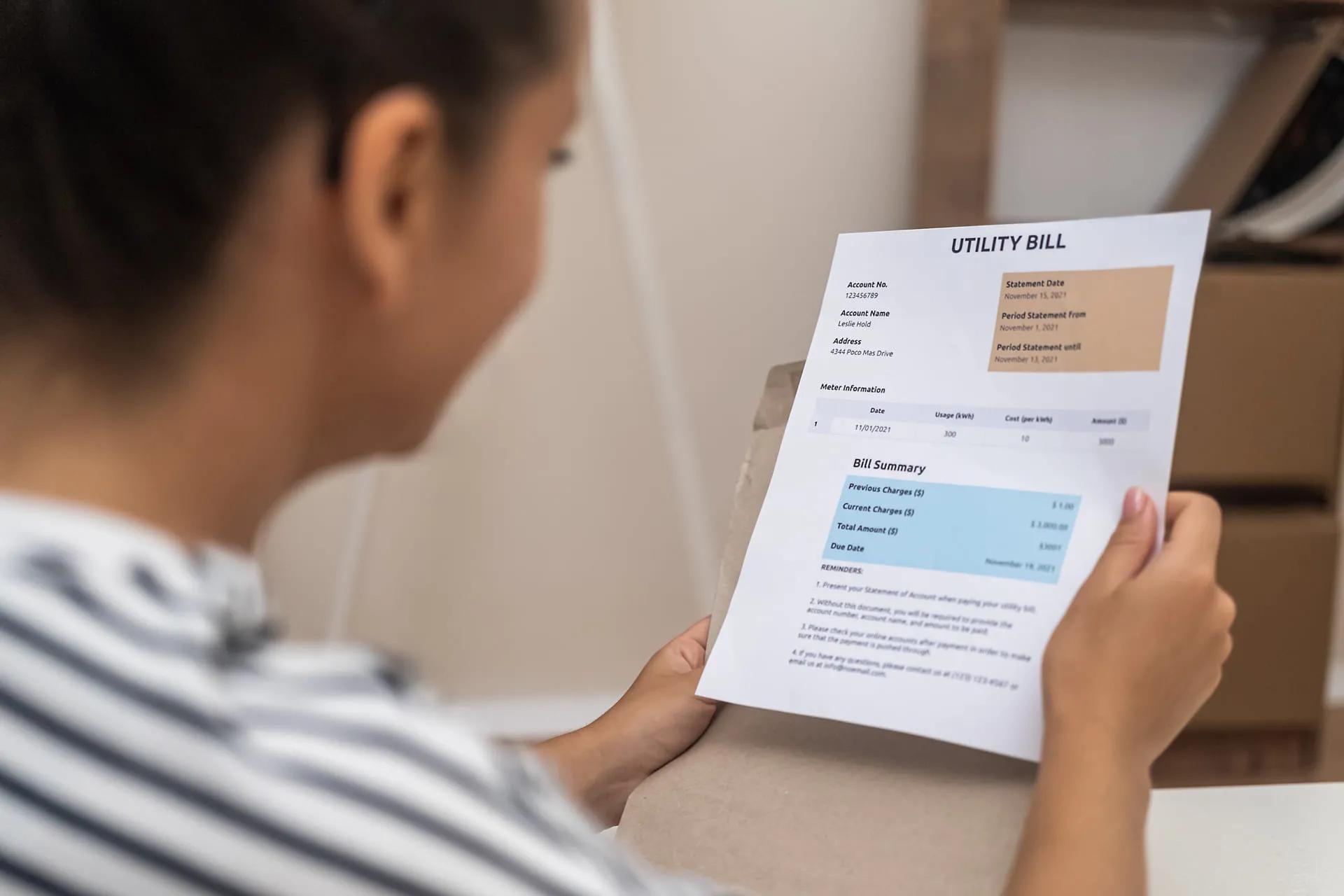
lower your energy bills
Rising cooling expenses have led many homeowners to rethink how their systems perform and where energy quietly escapes each day. Lowering air conditioning bills often depends on a mix of steady habit changes and smarter home improvements that work together over time. Tropical Air Kare explains, “Energy loss rarely comes from one major issue, it builds through several small inefficiencies that stack up and quietly raise monthly costs.” AC repair and preventative steps work together to reduce system strain while maintaining steady indoor comfort.
Cooling represents about 12% of total home energy use according to the U.S. Department of Energy
Energy loss often stems from air leaks, insufficient insulation, and aging equipment
Gradual adjustments can produce noticeable savings within a single cooling season
Lower Air Conditioning Bills Strategies
Homeowners often see monthly utility costs climb during warmer months, and many assume the system itself is failing when the real issue lies elsewhere. A common situation involves a home where the thermostat is set low, yet certain rooms remain unevenly cooled, which signals inefficiency rather than lack of cooling power. Tropical Air Kare notes that steady adjustments and timely maintenance reduce unnecessary strain while improving overall performance. Meaningful savings tend to appear when multiple strategies are combined rather than relying on a single fix.
Households often lower thermostat settings more than necessary
Uneven cooling usually signals airflow restrictions or insulation gaps
Combining improvements produces stronger and more consistent results
1. Improve Home Insulation Efficiency
Strong insulation acts as a protective barrier that slows heat transfer, keeping cooled air inside while limiting outdoor heat intrusion. Homes with weak insulation force air conditioning systems to run longer cycles, which increases energy consumption and mechanical wear. The U.S. Department of Energy reports that proper insulation can reduce heating and cooling costs by up to 15%, which adds up over time. Stable indoor temperatures become easier to maintain. Comfort improves noticeably.
Seal attic spaces to limit heat buildup that affects indoor cooling
Upgrade wall insulation in older homes with outdated materials
Compare insulation levels to DOE recommendations for your region
2. Adjust Thermostat Settings Smartly
Thermostat settings influence energy use more than many homeowners expect, and even modest adjustments can create measurable savings across a full season. The U.S. Department of Energy recommends setting thermostats to 78°F when at home and slightly higher when away to reduce cooling costs. Programmable or smart thermostats maintain these settings automatically, preventing unnecessary cooling when no one is present. Consistent adjustments build savings gradually.
Increase thermostat settings by 7 to 10 degrees for several hours daily to cut energy use
Install smart thermostats that adapt to daily routines
Avoid large temperature drops that overwork the system
3. Seal Air Leaks Quickly
Air leaks often go unnoticed, yet they allow cooled air to escape while letting warm air enter, creating a cycle where the system works harder without improving comfort. Gaps around windows, doors, and ductwork can significantly reduce efficiency, and the EPA notes that sealing these leaks can lower energy bills by up to 20%. Quick fixes such as weatherstripping and caulking provide immediate improvements. Small openings create large losses.
Check windows and doors for drafts or noticeable temperature shifts
Seal duct joints to prevent conditioned air from escaping
Apply caulk or foam sealant to hidden gaps
4. Schedule Regular AC Maintenance
Routine maintenance keeps air conditioning systems running efficiently, and skipping it often leads to higher energy use and unexpected repairs. Dirty filters, clogged coils, and low refrigerant levels force the system to work harder, increasing operating costs. The U.S. Department of Energy states that replacing or cleaning filters regularly can lower energy consumption by 5% to 15%. Tropical Air Kare explains that professional inspections identify early issues before they turn into expensive repairs while also extending system life.
Replace air filters every one to three months based on usage
Schedule annual professional tune-ups for full system checks
Keep outdoor units clear of debris to maintain airflow
5. Upgrade To Energy Efficient Units
Older air conditioning systems often operate at lower efficiency levels, meaning they consume more energy to produce the same cooling output as newer models. Modern units with higher SEER ratings are designed to reduce energy consumption while maintaining reliable performance. According to Energy.gov, replacing an outdated system with a high-efficiency model can cut cooling energy use by 20% to 40%. Upgrades require an upfront investment, yet long-term savings often outweigh initial costs.
Choose ENERGY STAR certified systems with higher SEER ratings
Consider variable-speed systems that adjust output based on demand
Ensure system size matches the home’s cooling requirements
6. Use Ceiling Fans Strategically
Ceiling fans support air conditioning systems by improving air circulation, helping rooms feel cooler without lowering thermostat settings. Moving air creates a wind-chill effect that allows homeowners to raise thermostat temperatures while maintaining comfort. The U.S. Department of Energy notes that ceiling fans can allow a thermostat increase of about 4°F without reducing comfort. Fans do not cool rooms. They cool people.
Set fans to rotate counterclockwise during warmer months
Turn off fans when rooms are empty to save electricity
Combine fan use with higher thermostat settings
7. Block Heat From Sunlight
Sunlight entering through windows can quickly raise indoor temperatures, especially during peak afternoon hours, which forces air conditioning systems to work harder. Blocking direct sunlight reduces heat gain and helps maintain steady indoor conditions. The U.S. Department of Energy reports that heat gain through windows accounts for about 30% of residential cooling energy use. Shading makes a clear difference. Rooms stay cooler longer.
Install blackout curtains or reflective window films
Close blinds or shades during peak sunlight hours
Add exterior shading or plant trees for long-term protection
Energy Savings and Long Term Efficiency
Reducing cooling costs rarely depends on a single adjustment, instead it develops through a combination of improvements that reduce strain on the system while maintaining consistent indoor comfort. Each strategy discussed contributes to a broader approach where energy loss is minimized and efficiency is strengthened over time, and when these adjustments are applied together the results become more noticeable. Tropical Air Kare reinforces that steady maintenance and thoughtful upgrades prevent unnecessary energy waste while supporting dependable performance across seasons. Homeowners who stay consistent with these practices often experience lower bills, improved comfort, and fewer unexpected system issues.
Lower Air Conditioning Bills Key Takeaways
Strong insulation and sealed air leaks reduce wasted energy
Smart thermostat adjustments create steady savings over time
Routine maintenance improves efficiency and extends system lifespan
Energy-efficient upgrades reduce long-term cooling costs
Simple habits like shading windows and using fans improve comfort